
Tips for Maintaining Palm Roll Twists for Lasting Definition and Healthy Hair
Palm roll twists can look clean, defined, and polished for weeks, but they do not stay that way by accident. Frizz, dry ends, product buildup, and flattened twists usually come from the same few habits: washing too roughly, using heavy products, skipping nighttime protection, or waiting too long between maintenance sessions.
The good news is that palm roll twists are very manageable when you build a simple routine around them. You do not need a shelf full of products or an hour every night. You need the right moisture, gentle cleansing, scalp care, and consistent upkeep.
Here is how to help your palm roll twists last longer while keeping your hair and scalp healthy.
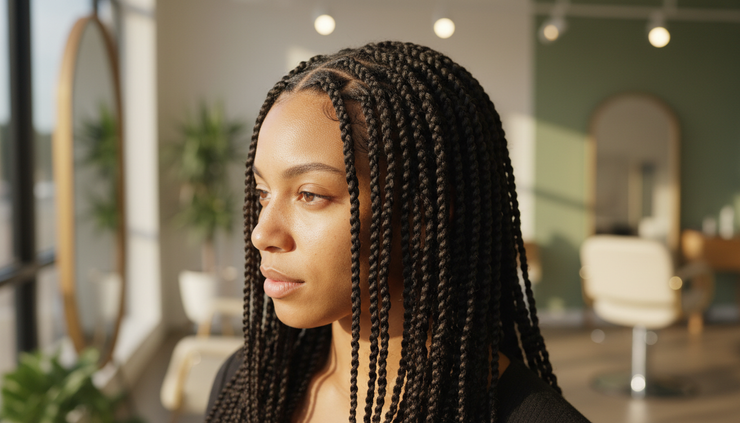
Start with clean, moisturized hair before the style sets
Long-lasting twists begin before the palm rolling is finished. If the hair is dry, coated, or tangled before styling, the twists may look dull or loosen faster.
A strong foundation includes:
A clean scalp
Hydrated strands
Light product layering
Even parting and tension
Fully dried twists before covering or sleeping
If your twists were done with too much heavy product, they may feel stiff at first and then attract lint or buildup later. If they were done with too little hold, they may unravel quickly. The goal is balance. Hair should feel moisturized and flexible, not greasy or crunchy.
For best results, avoid applying thick creams, waxes, or oils daily. Palm rolling needs grip and hold, but too much coating can block moisture from getting in and make washing harder.
Wash palm roll twists without creating unnecessary frizz
Washing is where many people accidentally shorten the life of their style. Scrubbing the hair in circular motions, piling twists on top of the head, or using harsh shampoos can rough up the strands and cause frizz.
You can still wash your hair while keeping your twists neat. The key is to focus on the scalp and let the shampoo rinse through the twists.
Dilute shampoo before applying it
A small amount of shampoo mixed with water spreads more easily and helps you avoid overworking the hair.
Try this simple method:
Fill an applicator bottle with warm water.
Add a small amount of gentle shampoo.
Shake until mixed.
Apply the mixture directly to the scalp between parts.
Use the pads of your fingers to cleanse the scalp.
Avoid scratching with your nails. Nails can irritate the scalp and loosen the roots.
Cleanse in the direction of the twists
Work downward, not side to side. Smooth the shampoo along the direction of the twist pattern. This helps protect the shape and keeps the strands from puffing out.
When rinsing, let water flow from roots to ends. Do not rub the twists between your hands like loose hair. If buildup is concentrated near the scalp, cleanse that area twice instead of aggressively scrubbing once.
Use a stocking cap or mesh cap if your twists are new
If your palm roll twists are fresh or your hair unravels easily, wash with a mesh cap, wig cap, or stocking cap over the hair. Apply diluted shampoo through the cap and rinse while the cap holds the twists in place.
This is especially helpful during the first few weeks of starter locs or when the hair has a looser curl pattern.
Dry your twists completely
Damp twists trapped under a scarf, bonnet, or hat can feel uncomfortable and may lead to odor. After washing, squeeze excess water with a microfiber towel or soft cotton T-shirt. Do not rub.
Let your hair air-dry fully, or sit under a hooded dryer if available. Pay special attention to the roots, since they hold moisture the longest.
Clean hair lasts longer when it dries completely. A fresh wash should leave the scalp comfortable and the twists light, not soggy or coated.

Choose products that hydrate without weighing hair down
The best products for palm roll twists are light, water-based, and easy to rinse out. Hydration keeps the hair flexible. Hold keeps the twist pattern neat. Scalp care keeps the foundation healthy.
Here is a simple guide to product types that work well.
Product type | What to look for | How to use it |
Moisturizing mist | Water-based spray with aloe, rose water, or light humectants | Mist lightly when hair feels dry, focusing on mid-lengths and ends |
Leave-in conditioner | Lightweight formula that does not leave flakes | Use sparingly before styling or after washing if hair feels dry |
Natural oil | Jojoba, grapeseed, argan, or sweet almond oil | Apply a few drops to seal moisture, not as the main moisturizer |
Styling gel | Alcohol-free gel with soft to medium hold | Use during retwisting or touch-ups near the roots |
Scalp oil or serum | Lightweight, non-greasy formula | Apply directly to dry or itchy areas in small amounts |
Clarifying shampoo | Gentle clarifier without a stripped feeling | Use occasionally when hair feels coated or dull |
Hydration should come before oil
Oil can help seal in moisture, but it is not the same as moisture. If your hair feels dry, start with a water-based mist or leave-in. Then use a small amount of oil to lock it in.
A good routine might look like this:
Mist the hair lightly with water or a hydrating spray.
Let it absorb for a minute.
Add a few drops of lightweight oil to your palms.
Smooth over the twists, focusing on dry ends.
Leave the roots alone unless the scalp needs care.
Using too much oil near the scalp can attract dust and make the roots feel heavy. A little goes a long way.
Use gel for hold, not buildup
Palm rolling often needs a gel or locking product to help the roots stay neat. Choose one that gives hold without flaking. Clear gels, aloe-based gels, and products made for loc maintenance can work well when used in moderation.
Avoid heavy beeswax or thick petroleum-based products if your hair is prone to buildup. They can be hard to wash out and may leave twists looking dull over time.
For daily care, skip gel unless you are doing a small touch-up. Too much repeated gel application can create flakes and residue.
Protect twists while sleeping to prevent frizz and flattening
Nighttime care is one of the easiest ways to extend the life of palm roll twists. Cotton pillowcases absorb moisture and create friction. That friction can rough up the roots, dry out the ends, and flatten the style.
Use at least one of these protective options:
Satin bonnet
Silk or satin scarf
Satin pillowcase
Loose satin-lined cap
If your twists are short, a bonnet may be enough. If your twists are longer or you want to preserve parting, wrap them gently before putting on a bonnet.
Wrap without crushing the roots
A tight scarf can flatten the shape and put stress on the hairline. The goal is to secure the twists, not compress them.
Try this method:
Smooth twists in the direction they naturally fall.
Use a satin scarf to gently cover the hairline and roots.
Tie the scarf snugly, but not tightly.
Add a bonnet if twists slip out at night.
Shake or separate twists lightly in the morning.
If your scalp feels sore or you see tension around the edges, your wrap is too tight.
Refresh in the morning with light moisture
You do not need to restyle every morning. A quick refresh is enough.
Mist your hands, not your whole head, then gently smooth any fuzzy areas. If needed, apply a tiny amount of lightweight oil to the palms and glide over the twists. Avoid soaking the hair daily, since repeated dampness can increase frizz if the twists never fully dry.

Keep a maintenance schedule that fits your hair
Regular maintenance helps palm roll twists stay defined, but retwisting too often can stress the roots. The right schedule depends on your hair texture, activity level, scalp oil production, and how polished you want the style to look.
Many people refresh or retwist every few weeks. Some need maintenance sooner, especially if they sweat often or have a looser curl pattern. Others can go longer if their hair holds shape well.
Watch your hair instead of following a strict calendar. Signs it may be time for maintenance include:
Roots have grown out and twists are losing shape
Parts are no longer visible
Hair near the scalp is matting unevenly
Frizz is causing twists to combine
The style feels heavy from product buildup
The scalp feels itchy even after light cleansing
Avoid over-twisting
Fresh roots look neat, but constant twisting can weaken hair over time. Too much tension at the base may cause thinning, soreness, or breakage.
A healthy retwist should feel secure, not painful. If the scalp looks pulled or shiny after retwisting, the tension may be too high. Palm rolling should guide the hair into shape, not force it.
Separate twists gently between appointments
If your twists start to join at the roots, separate them carefully while the hair is slightly damp. Do not rip connected strands apart. Use your fingers to feel where the parts naturally divide, then separate slowly.
For stubborn areas, add a little water or leave-in spray to soften the hair first.
Prevent buildup while supporting scalp health
Buildup can make palm roll twists look dull, feel sticky, and hold odor. It often comes from heavy gels, thick oils, unwashed sweat, lint, and products layered on top of products.
A clean scalp supports healthier-looking twists and a more comfortable style.
Use less product than you think
The easiest way to prevent buildup is to use smaller amounts. Start light, then add only if needed.
Good product habits include:
Spray moisture lightly instead of soaking the hair
Place oil on fingertips for scalp care instead of pouring it on
Use gel mostly during maintenance
Avoid mixing several styling products at once
Skip heavy creams if they leave a visible coating
If your hair feels dry a day after moisturizing, the issue may be product buildup blocking hydration. In that case, washing may help more than adding another product.
Clarify when your hair feels coated
Clarifying shampoo helps remove residue that regular shampoo may leave behind. You do not need it every wash unless your hair gets buildup quickly.
Use a gentle clarifier when:
Twists feel waxy or sticky
Hair looks dull after washing
Scalp feels coated
Products start flaking
Water seems to sit on top of the hair
After clarifying, follow with light moisture so your hair does not feel stripped.
Care for the scalp between washes
Scalp health is not only about oiling. It also includes cleanliness, circulation, and avoiding irritation.
Try these habits:
Massage the scalp gently with fingertips for a few minutes
Rinse or cleanse after heavy sweating when possible
Keep hats, scarves, and bonnets clean
Avoid scratching itchy areas
Use soothing products sparingly
If itching, flaking, soreness, or irritation continues, check in with a licensed stylist or healthcare professional. Product changes can help, but ongoing scalp issues may need a closer look.
Build a simple weekly routine
A routine works best when it is easy to repeat. You can adjust this based on your hair needs, but the structure below is a helpful starting point.
Two to three times per week
Lightly refresh moisture.
Mist the hair or your hands with water-based spray. Smooth over twists and seal dry ends with a very small amount of oil.
Once per week or as needed
Cleanse the scalp if it feels sweaty, itchy, or coated.
Use diluted shampoo and focus on the scalp. Dry the twists completely before covering them.
Every few weeks
Book or perform maintenance.
Retwist new growth, clean up parts, and check for buildup around the roots. Keep tension gentle and even.
As needed
Clarify and reset.
If products have built up, use a gentle clarifying shampoo and return to lighter product use afterward.
Book professional palm roll maintenance when you need a reset
At-home care can keep twists fresh between appointments, but professional maintenance can make a big difference when the roots need shaping, buildup needs attention, or the style needs more even definition.
If your twists are losing structure or you want a clean refresh, schedule a gel palm roll service for polished maintenance and longer-lasting definition.
Healthy twists come from consistent care
Palm roll twists last longer when the routine is gentle and consistent. Wash with care, keep products light, protect your hair at night, and maintain the roots before the style becomes difficult to manage.
The best routine is not complicated. Cleanse the scalp, hydrate the hair, avoid heavy buildup, and retwist with patience. When your hair feels light, your scalp feels calm, and your twists still have shape, you are on the right track.


Comments